All Electric Company Details

Bisesti Electric & Alarm Co.
26 Forest Ridge Road Unit 7L Rowley MA 01969
Established in 1991, Bisesti Electric & Alarm Co. is a fully-insured and licensed electrical contractor serving the MA and NH areas. With a strong commitment to service and value, we have built a reputation for excellence in handling all phases of electrical work for residential, commercial, and industrial clients.Our expert...
...show moreOpen: 09:00 am
Close: 06:00 pm

3Gorillas.com
180 Earland Drive, Building #8, New Holland, PA, United States, Pennsylvania
Welcome to Discount Appliances & More, your one-stop destination for high-quality, affordable appliances. At Discount Appliances & More, we are dedicated to providing our customers with a wide range of home essentials, including fridges, freezers, air conditioners, dehumidifiers, and wine/beverage coolers.Our MissionOur ...
...show moreOpen: 09:00 am
Close: 10:00 pm
How Do Electric Companies Charge You?
Electric companies calculate your bill based on several factors, including electricity usage (kWh), pricing models, fixed service fees, and additional charges. Understanding these elements can help you manage your electricity consumption more effectively and reduce your monthly energy expenses.
1. Electricity Usage: Measuring kWh
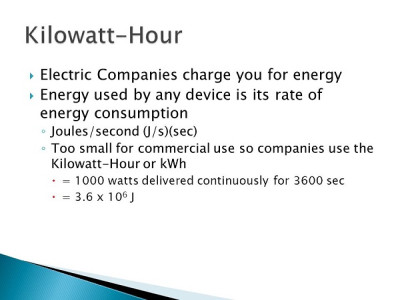
Electric companies measure consumption in kilowatt-hours (kWh).
1 kWh = Using a 1,000-watt appliance for 1 hour.
Example: If you run a 500-watt fan for 2 hours, it consumes 1 kWh (500 x 2 / 1,000).
Your bill is calculated based on the total kWh used during the billing cycle. Tracking usage helps you avoid unnecessary energy costs.
2. Common Billing Models Used by Electric Companies
a. Flat-Rate Pricing
A fixed rate is charged per kWh, regardless of usage amount.
Example: $0.12 per kWh for every unit consumed during the billing cycle.
Best For: Households with consistent energy usage throughout the month.
b. Tiered Pricing
The price per kWh increases as your usage reaches specific thresholds (tiers).
Example:
Tier 1: $0.10 per kWh for the first 500 kWh
Tier 2: $0.15 per kWh after 500 kWh
Best For: Encourages users to limit their consumption to lower tiers.
c. Time-of-Use (TOU) Pricing
Rates vary depending on the time of day you consume electricity.
Example:
Peak Hours: 4 PM to 9 PM — $0.25 per kWh
Off-Peak Hours: 9 PM to 7 AM — $0.10 per kWh
Best For: Users who can shift activities like laundry and charging devices to off-peak hours.
d. Demand Charges (for Businesses)
In commercial settings, providers impose demand charges based on the highest peak usage during a billing period.
This model ensures businesses manage energy-intensive operations efficiently.
3. Additional Fees and Charges
a. Fixed Service Charges
A monthly fee for maintaining the electrical connection to your property.
Example: $10/month, regardless of energy use.
b. Transmission and Distribution Fees
These fees cover the cost of delivering power from power plants to your home or business.
c. Taxes and Regulatory Charges
Local, state, and federal taxes are often added to your electric bill.
d. Renewable Energy Surcharges
Some providers charge a small fee to support clean energy programs like solar or wind power initiatives.
4. How to Save on Your Electric Bill
By understanding how electric companies charge you, you can take proactive steps to reduce your energy costs:
- Monitor Usage: Use smart meters or apps provided by your utility company to track daily consumption.
- Use Appliances Efficiently: Run appliances during off-peak hours to take advantage of lower rates.
- Upgrade to Energy-Efficient Appliances: Devices with Energy Star certifications consume less electricity.
- Install Solar Panels: Some states offer incentives for installing solar energy systems, reducing dependence on grid power.
- Enroll in Budget Billing: Many electric companies offer budget billing plans to average your payments throughout the year and avoid high seasonal bills.
5. Why Electric Rates Fluctuate
- Electricity prices are influenced by various factors, including:
- Fuel Costs: Prices rise when fuel costs (like natural gas) increase.
- Weather Conditions: Hot summers or cold winters lead to higher electricity demand, which affects rates.
- Infrastructure Upgrades: Utilities may pass on the cost of upgrading transmission networks to customers.
- Government Policies: Regulations and renewable energy mandates can also impact pricing.
6. Tools for Tracking and Managing Energy Use
Many electric companies offer tools to help customers manage their consumption. These tools include:
- Online Portals: View usage reports and trends over time.
- Mobile Apps: Track energy consumption and receive alerts.
- Smart Meters: Monitor real-time electricity use to identify wasteful practices.
- Energy Audits: Some utilities provide audits to help identify ways to save energy.
Conclusion
Electric companies charge you based on kWh usage, pricing models, and additional fees like transmission and service charges. Understanding how your bill is structured enables you to adopt energy-saving strategies and reduce costs. Whether by using energy-efficient appliances, switching to off-peak hours, or exploring solar options, there are many ways to control your energy expenses and make smarter choices.
By staying informed and managing your electricity consumption wisely, you can enjoy lower bills and make a positive impact on both your budget and the environment.
No Review